Handwoven African ties
Handwoven ties in Côte d’Ivoire
Get first pick→Years to learn.Generations to know how.
The cloth these ties are cut from is woven by hand in Côte d’Ivoire, on looms the weavers build themselves, by men who learned the trade from their fathers.
Woven, not printed.
Most of what gets sold as African fabric in the West is wax print, or pagne wax. It’s printed by machine onto plain cotton, thousands of metres at a time. The designs are often beautiful and the cloth is genuinely part of West African dress today, but nobody wove it.
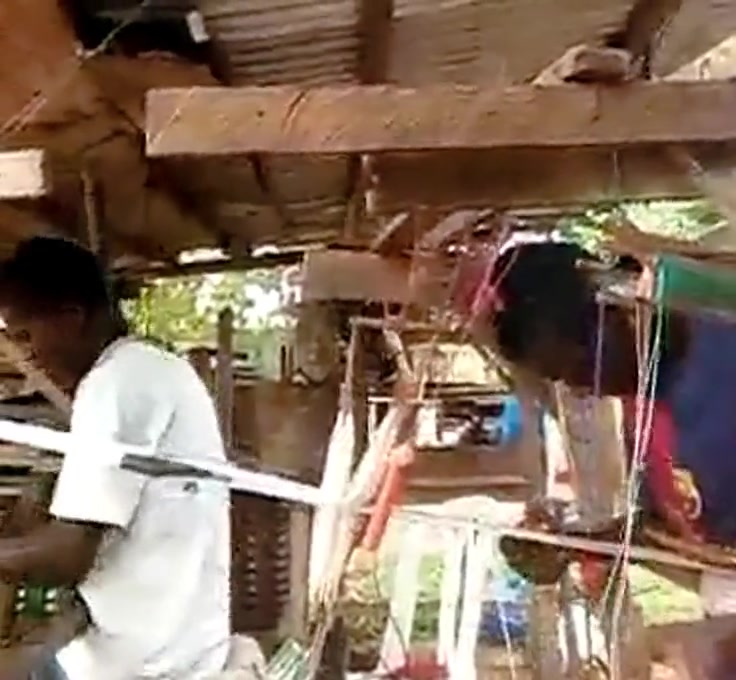
What I sell is different. Pagne Baoulé is strip-woven: a weaver sits at a narrow horizontal loom and produces a band of cloth roughly four inches wide, passing the weft through by hand, thread by thread. Those strips are then sewn edge to edge into a single piece.
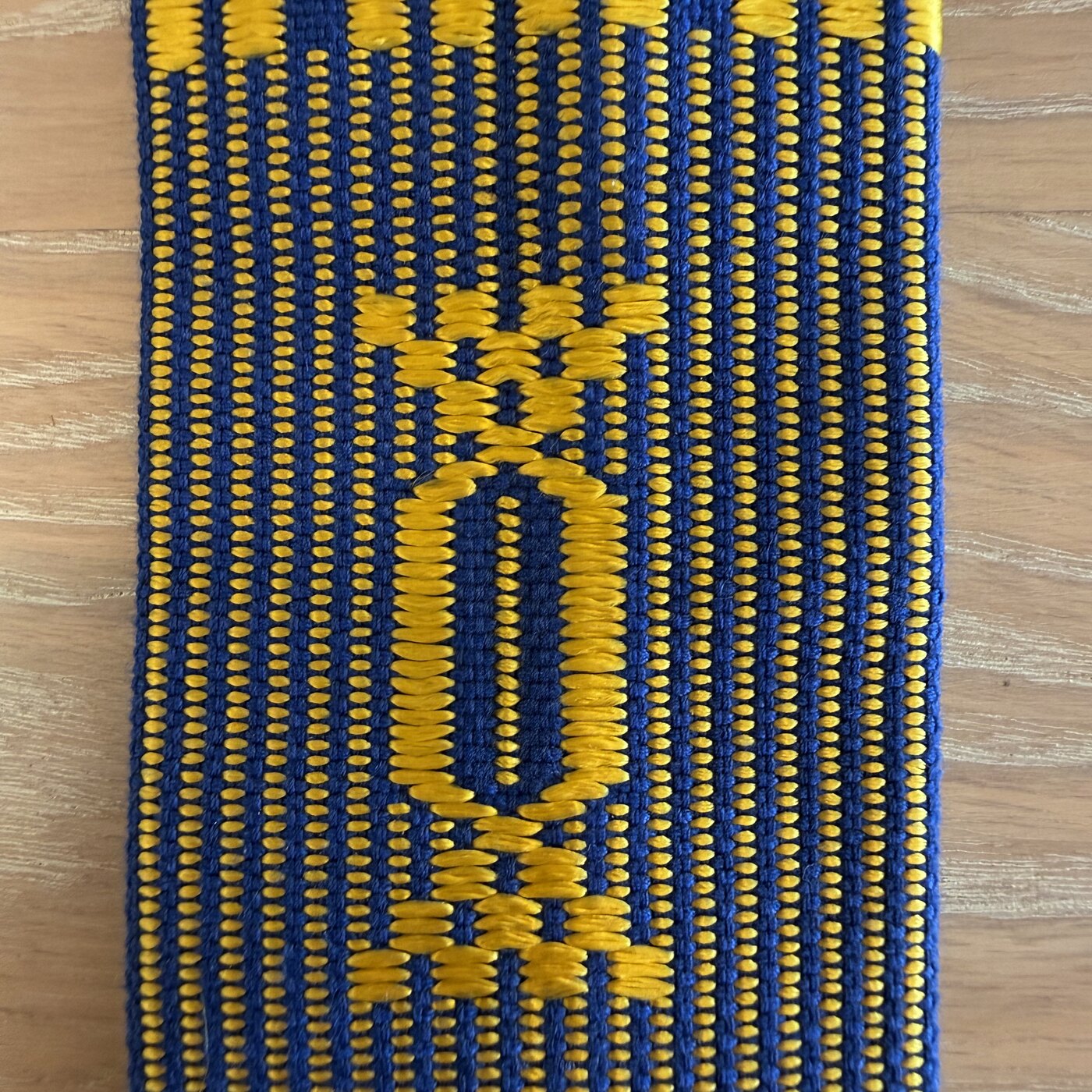
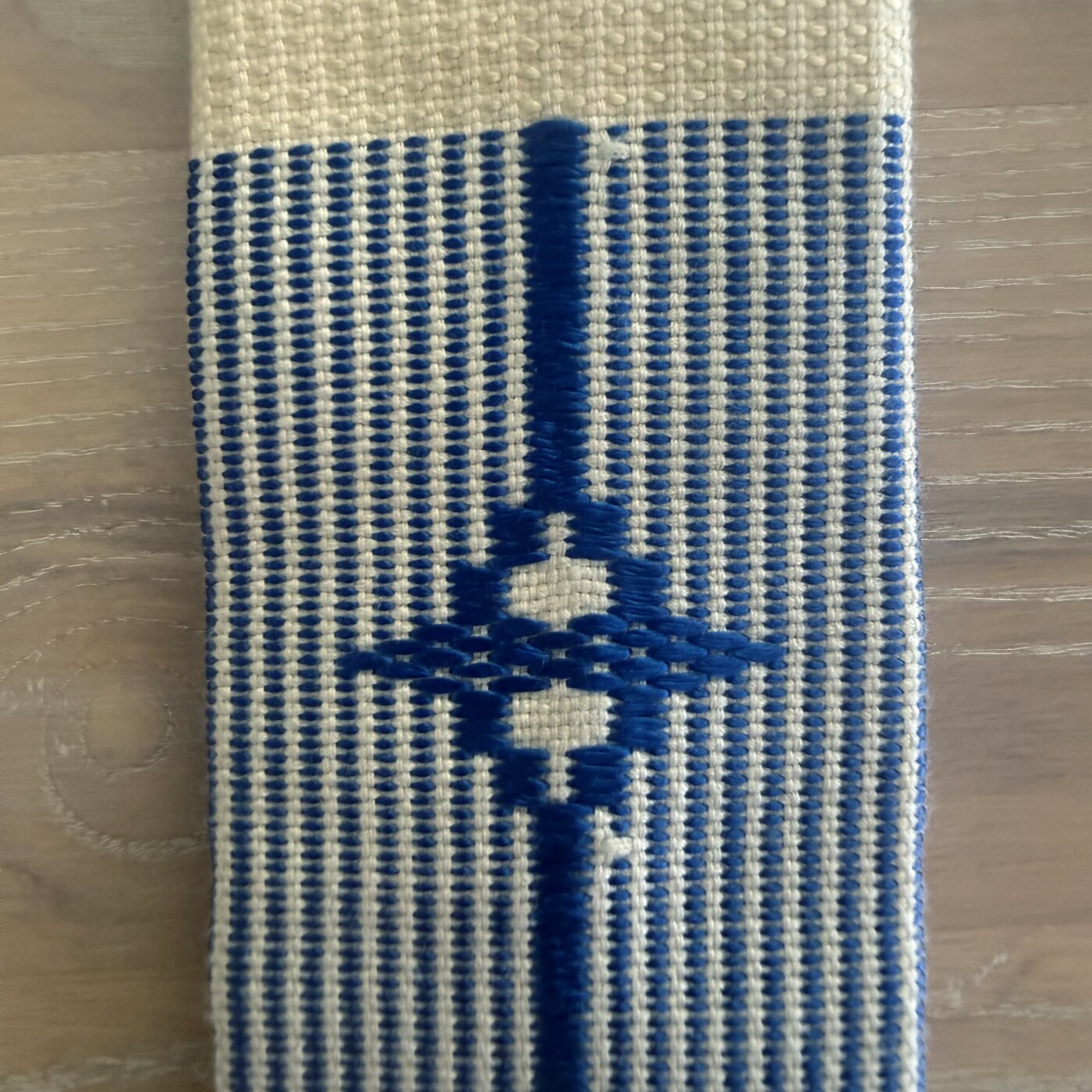
It is slow. A single cloth can take days. The pattern isn’t applied to the surface. It is the surface, built out of the threads themselves. That’s why you can feel it under a thumb, and why two pieces of the same pattern still won’t match exactly.
It is not a quick thing to learn. The apprenticeship runs five to seven years, and the trade passes from father to son. Most of the weaving happens around Bomizambo, a village between Yamoussoukro and Tiébissou where the looms run for miles along the road.
Every tie I sell is handmade in Côte d’Ivoire by Ivorians. I work directly with the weavers, and support the people there however I can.
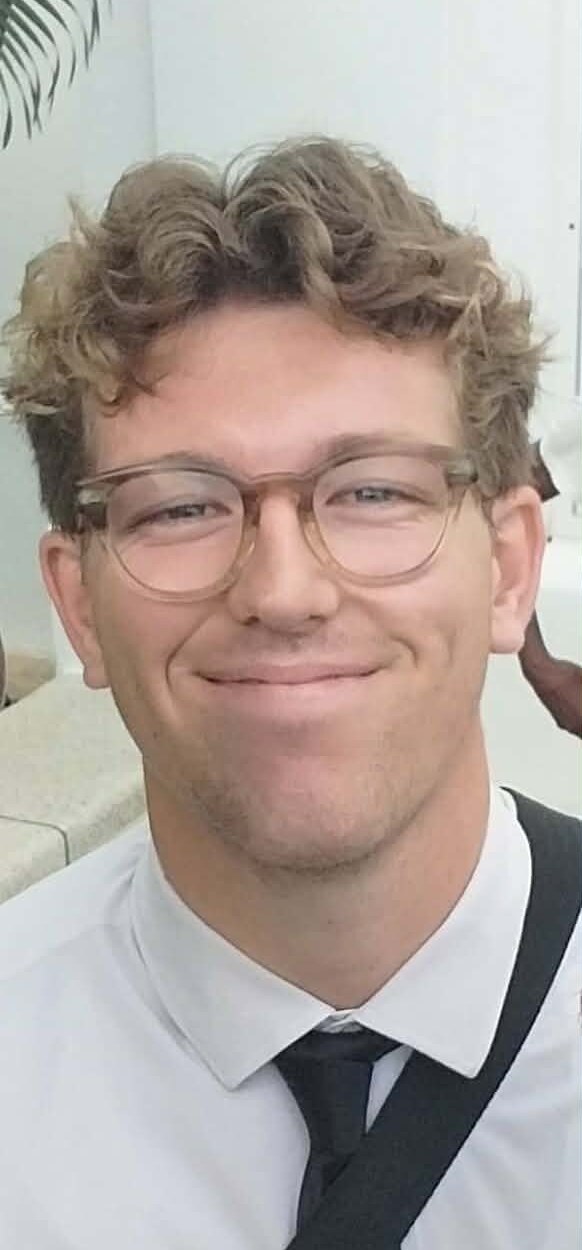
Wil Sanders
Abidjan · San Clemente, CA
About me
I’m Wil Sanders, from San Clemente, California. I served a two-year mission for the Church of Jesus Christ of Latter-day Saints in Côte d’Ivoire, and I came home having learned to love the people, their language and their culture.
I want to share that culture with the rest of the world, and support the people there in their work while I do it. I’m starting with ties, but the goal is to bring over more from across West Africa.
Every tie I sell is pagne Baoulé. The cloth is woven by hand on a narrow loom, a strip at a time, and the strips are then sewn together edge to edge. It isn’t the printed wax fabric most people picture when they think of African textiles. Someone sat at a loom and made this one, thread by thread, and you can see where the strips meet.
They are not easy to come by. Only a small number of these make it out of Côte d’Ivoire at a time, so every drop is small and stays up for a couple of months before the next one takes its place.
I started with ties because they fit everyone. There are no sizes to get wrong and nothing to send back, and a tie is enough of the cloth to be noticed without asking anyone to change how they dress.
The people of Côte d’Ivoire have a special place in my heart, and this is my way of giving something back.
ten ties, on their way.
Woven by hand in Côte d’Ivoire and on their way to California. Leave your email and you see the whole drop before anyone else, and pick yours before any of it goes up here.
Get first pick